Light Pole Banners in Boston, MA: 5 Things to Know
Light pole banner campaigns are very powerful marketing opportunities in and around Boston, MA. We have been providing a wide range of customers with...
6 min read
Spring banners and flags are often needed for April and May events, but successful projects should begin months earlier. Schools, universities, municipalities, businesses, and organizations can avoid production delays and last-minute complications by planning their banner orders during the fall and winter.
Planning ahead gives you time to confirm quantities, measure display locations, select appropriate materials, finalize artwork, coordinate mounting hardware, and arrange professional installation.
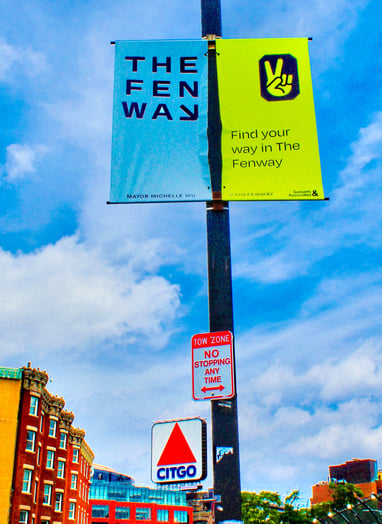
Whether you're preparing a municipal light pole banner program, a university commencement, a spring athletic season, or a large-scale outdoor display, these eight steps will help you plan your custom banner project and have everything ready when spring arrives.
Accent Banner designs and manufactures custom flags and banners for organizations throughout the United States. Here's what to consider before placing your next spring order.
For spring events and installations, begin planning during the fall or early winter whenever possible. This allows adequate time for:
Actual lead times depend on project size, materials, construction methods, artwork approval, and installation requirements. Confirm a production and delivery schedule with your banner manufacturer before establishing your final installation date.
Your installation date should guide the schedule—not just the day the event begins. Allow time for site preparation, installation, and a final review before guests and clients arrive.
Build checkpoints for design, proof approval, production, finishing, and any permits or site approvals. Confirm the schedule with your banner team early, especially if your project includes multiple locations or custom hardware.
Start here: Identify your event date, preferred installation date, and the person responsible for each approval.
A design that looks right on a screen still needs to fit its surroundings. Before the design process begins, confirm how many flags or banners you need, where each one will hang, and which hardware is already in place. Site surveys and mounting hardware inspections are crucial steps for avoiding last minute installation trouble!
For a light pole program, that means checking pole locations, bracket spacing, and pole pocket requirements. For a campus event, map the walkways, building façades, entryways, and stages that need coordinated displays.
Start here: Create one location list that everyone can use for design, production, and installation.
Recurring programs offer a useful starting point. Previous artwork, specifications, and installation notes can help you identify what to keep and what needs attention.
Inspect existing banners for fading, worn corners, damaged hems, or stress around mounting points. Ask your facilities or installation team whether any locations were difficult to access or required adjustments. Those observations can inform changes to sizing, reinforcement, or hardware.
Start here: Gather last season’s files and photos, then make a short list of what worked and what you would change.
Material selection starts with how—and where—the banner will be used. An indoor commencement backdrop has different requirements from a street-facing banner exposed to wind and sun.
Different banner materials serve different purposes. Fabric banners are often selected for their appearance, drape, and suitability for institutional and ceremonial displays. Vinyl banners offer a durable, versatile option for many promotional and outdoor applications. Mesh materials allow air to pass through the banner and may be appropriate for certain wind-exposed installations.
The best material depends on the banner's dimensions, display location, exposure to weather, expected display duration, and mounting system. A knowledgeable manufacturer can help determine which material and construction method are appropriate for the project.
Start here: Share the display location, seasonal conditions, and reuse plans before requesting a material recommendation.
Hems, reinforced corners, spurred grommets, and pole pockets are not afterthoughts. They connect the banner to its mounting system and help it handle the stresses of its intended display.
Confirm finishing specifications alongside material choices. If your team will reuse existing hardware, check its dimensions and condition before production. Small mismatches are easier to resolve during planning than on installation day.
The mounting system should be considered during the design and manufacturing process, not after the banner is complete. Different installations require different finishing methods, including reinforced hems, pole pockets, grommets, webbing, and specialized support systems.
Matching the banner's construction to its mounting hardware helps ensure that the finished product is appropriate for its intended installation.
Start here: Approve the mounting method and finishing details before signing off on production.
Dates, sponsors, logos, and institutional branding can change between seasons. Early planning gives your team time to review those details without rushing proof approvals.
If a project combines indoor backdrops, outdoor banners, and fabric gonfalons, discuss how colors will reproduce across different materials. Ask whether samples or a test print would help you evaluate an important school or brand color before the full run.
Start here: Collect current logos, brand color references, event details, and sponsor approvals in one place.
Starting early does not mean doing everything immediately. It means giving each stage the attention it needs.
A municipality preparing a spring light pole program might use November to confirm locations and bracket measurements, December to update artwork, and January to review proofs and coordinate production. Your schedule will depend on the project, but the principle stays the same: settle key decisions in sequence instead of all at once.
That breathing room also gives your banner team time to review files, plan sewing and finishing work, and address questions before installation.
Start here: Agree on a project calendar with clear approval deadlines and realistic time for revisions.
A spring banner project is not finished when production ends. Confirm who will install the displays, how they will access each location, and what site requirements need to be addressed.
If you plan to reuse the banners, discuss removal, cleaning, storage, and inspection. Outdoor exposure will eventually cause fading and wear; appropriate materials, finishing, and care can help you manage those effects, but no banner is immune to the elements.
Keep final artwork, dimensions, material specifications, and installation notes together. They will give next season’s project a more informed starting point.
Start here: Assign responsibility for installation and removal, then document the care and storage plan.
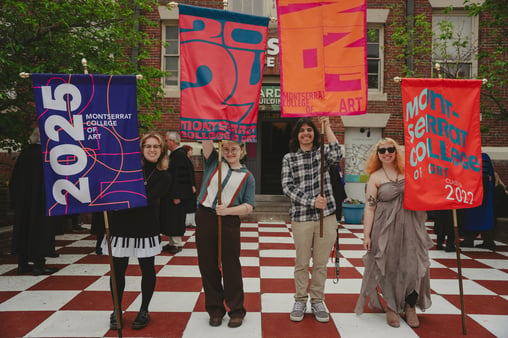
Starting early gives you time to make considered choices about the details that matter: accurate artwork, suitable materials, careful finishing, and hardware that fits.
Whether you are planning a campus commencement, a municipal streetscape, or an annual event, Accent Banner can help you work through those decisions. Share your locations, quantities, and target dates with our team to begin planning your spring displays.
Before requesting a custom banner quote, gather the basic information your manufacturer will need to evaluate the project.
Having these details ready can help streamline the design, estimating, and production process.
Custom banner order checklist:
The more information you can provide when requesting a quote, the easier it is for your manufacturer to recommend an appropriate solution and establish a realistic project schedule.
Ideally, begin planning custom spring banner orders during the fall or early winter. Ordering early allows time for site measurements, artwork approvals, material selection, manufacturing, and installation coordination. Larger or more complex projects may require additional lead time.
Production time varies depending on banner size, quantity, material, construction method, and finishing requirements. Printed banners, sewn fabric banners, and custom appliqué banners can have different production schedules. Request a project-specific timeline before establishing your installation date.
The appropriate material depends on the installation environment, banner dimensions, wind exposure, sunlight, and expected display duration. Vinyl, mesh, and specialized fabrics each offer different advantages. Your manufacturer should evaluate the intended application before recommending a material.
Yes, provided the banners remain in suitable condition. Inspect them for fading, damaged stitching, worn hems, loose grommets, and other signs of deterioration. Proper cleaning and storage can help extend their useful life.
Yes. Custom banners can be manufactured for light poles, building façades, campus walkways, stadiums, and other architectural applications. Each installation requires appropriate measurements, finishing, mounting hardware, and consideration of environmental conditions.
Accent Banner offers installation services for qualifying projects. Depending on the location and scope, projects may require site assessments, specialized mounting hardware, lift equipment, permits, and professional installation coordination.
Provide the approximate dimensions, quantity, intended display location, artwork, material preferences, desired delivery or installation date, and any known mounting requirements. Photographs and site measurements are especially helpful for larger projects.
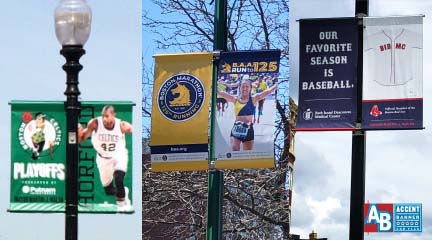
Light pole banner campaigns are very powerful marketing opportunities in and around Boston, MA. We have been providing a wide range of customers with...
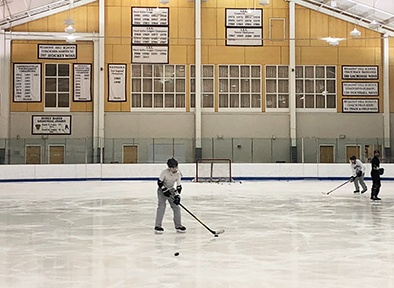
High Schools, Colleges, and Universities across America are very proud of the athletics programs. Few are prouder than the hockey teams and friends...
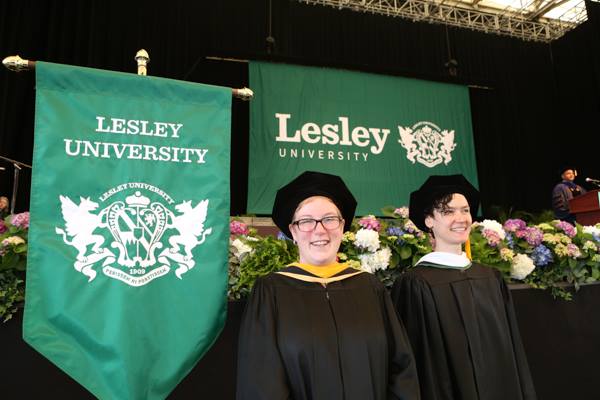
Gonfalons, commonly referred to as graduation banners, have long been a staple of commencement ceremonies across the world. There seems to be nothing...